Secure Your Wichita Property
Your Wichita home insurance needs stays current with increasing rebuild costs and severe wind-hail damage. Select full replacement value for your house and belongings, incorporate ordinance and law protection, and itemize precious belongings. Right-size deductibles, confirm wind-hail percentage triggers, and record roof condition; Class 4 or metal roof materials can qualify for substantial savings. Coordinate Coverage A/B/C with regional reconstruction estimates, update comprehensive lists, and bundle policies for discounts. Compare A-rated carriers and independent agents based on their claims handling and storm response. Continue reading to see how to finalize this coverage.
Key Takeaways
- Select insurance providers with an excellent track record for claims, quick catastrophe response, and reliable regional contractors for handling Wichita's severe weather events.
- Assess property coverage on a yearly basis; utilize area construction estimates to align with growing building and material expenses.
- Select full replacement coverage on your home and possessions; remember to add law and ordinance protection and itemize high-value possessions.
- Control wind and hail risks through the use of Class 4 shingles, reinforced garage doors, and documented roof maintenance for premium reductions.
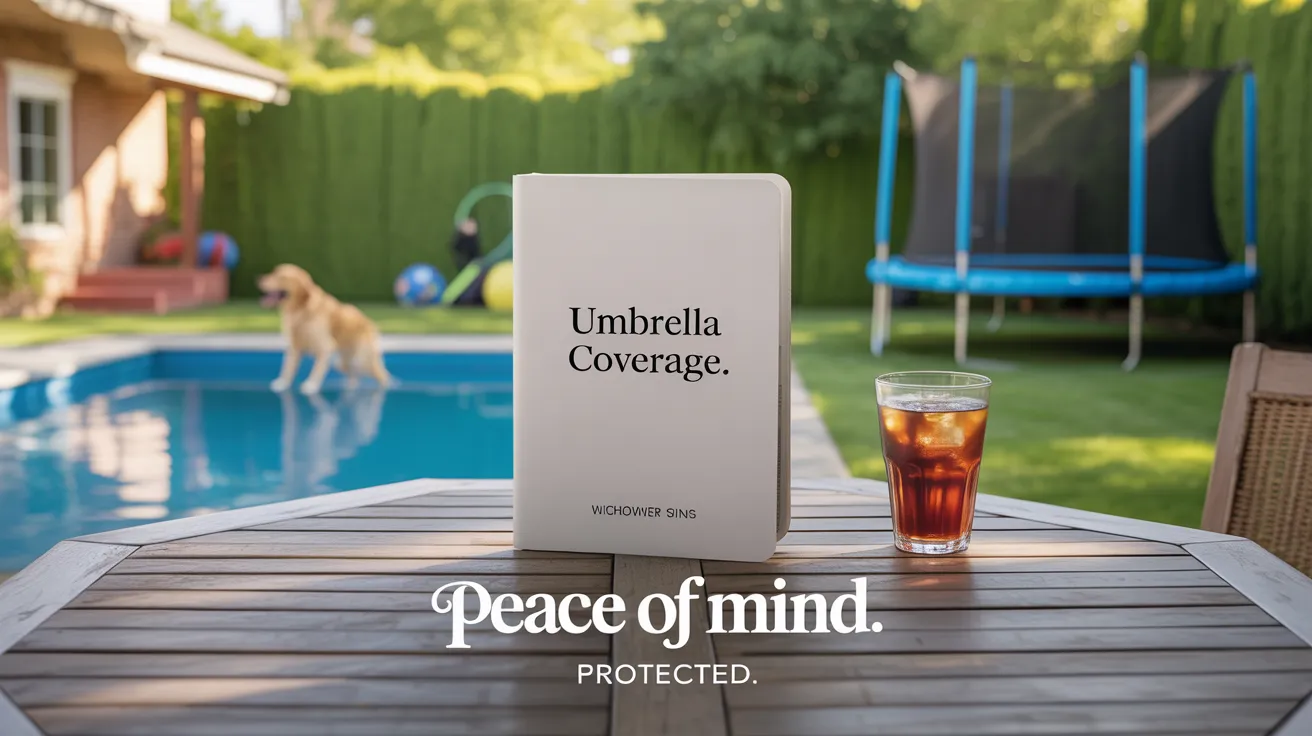
- Configure liability insurance at $300k-$500k (think about getting an umbrella policy); merge auto and home coverage and implement monitored alarm systems for reliable discounts.
Why Wichita's Housing Market Changes Impact Your Policy
When Wichita's property market changes, your homeowners insurance policy needs to adapt with property values, building expenses, and area risks. It's essential to monitor market dynamics because fluctuating property values, resource limitations, and building costs directly affect your house's reconstruction expense. If construction expenses rise, the danger of insufficient coverage increases; alternatively, if costs decrease, you can lower your rates without sacrificing security.
Review insurance coverage limits, replacement cost factors, and inflation protection annually. Analyze insurance providers' assessment methods and obtain new construction cost assessments based on local labor and material indexes. Reassess deductibles to harmonize policy affordability with cash-on-hand. Monitor community patterns-home improvements, safety concerns, and weather-related risks-to modify coverage options and policy terms. Arrange twice-yearly reviews so your coverage continues to be appropriate, streamlined, and sound.
Must-Have Insurance Protection for Wichita Homeowners
Insurance coverage fundamentals include these crucial components: dwelling coverage for home reconstruction, insurance for supplementary structures such as outbuildings and fences, contents coverage for personal items, loss of use coverage for temporary living expenses, personal liability for third-party injuries or damage, and visitor injury protection without fault consideration. Always configure dwelling coverage limits according to rebuilding expenses, not market value, and strengthen coverage with ordinance or law coverage for building code updates. Be sure to specifically insure valuable items to avoid personal property limits constraints.
Select replacement cost protection, instead of actual cash value, for both your structure and contents. Match liability protection with your overall wealth and look into an umbrella plan. Strengthen your coverage approach with home disaster preparedness: inventory your assets, refresh your documentation, and implement a seasonal maintenance plan to minimize claims and improve premiums.
Storm Hazards and Threats in Kansas's South-Central Region
Time and again, South-Central Kansas exposes your property and finances to intense challenges with destructive hail, straight-line winds, and tornadoes. You experience persistent spring supercells, wind bursts exceeding 60 mph, and hailstones that tear up shingles, deform gutters, and crack windows. Prioritize hail preparedness: weather-resistant roofing, fortified garage doors, protected outdoor equipment, and documented photos of exterior surfaces. Prune trees, secure trampolines, and verify sump pump function to counter wind-driven rain.
When sirens sound, follow proven tornado sheltering: lowest-floor interior space, protective headgear and robust footwear, and a whistle or air horn for alerting rescuers. Maintain a emergency kit with insurance documents, photographs, charging devices, and medical supplies. Confirm your insurer's claim hotline, approved service providers, emergency accommodation options, and debris-removal guidance ahead of storm season.
Replacement Cost or Actual Cash Value: A Guide to Choosing
When it comes to your Wichita home policy, few decisions affect your settlement amount more than selecting Replacement Cost (RC) or Actual Cash Value (ACV). RC enables you to restore or replace with new materials of similar type and quality, without factoring in depreciation. ACV, on the other hand, factors in depreciation, leaving you to pay for the gap. When comparing policies, RC usually has higher premiums but provides better protection for your budget following a claim.
Consider real-world examples: a 15-year-old roof worth $18,000. RC coverage handles the entire replacement cost once you pay your deductible, while ACV might only provide $9,000 if depreciation reaches 50%. When water damages your interior, RC pays for new cabinets and flooring at current prices; ACV pays their current used value. Select RC if you prefer consistent coverage amounts; choose ACV only if lower premiums outweigh partial coverage.
Understanding Deductibles, Wind-Hail Endorsements, and Storm Coverage
Since Wichita weather can turn on a dime, your deductible structure is just as important as your coverage limit. You'll generally select a flat-dollar deductible for most claims, but wind-hail endorsements often include separate, percentage-based deductibles connected to your dwelling value. Understand your policy triggers: some companies apply the wind-hail deductible exclusively when a named peril or specific meteorological threshold occurs; others use it for any wind-driven loss. Review storm exclusions carefully-cosmetic roof damage, matching issues, or wear-and-tear may be excluded, shifting more cost to you. Confirm whether the separate storm deductible applies per event or per occurrence year, and how it affects claim frequency surcharges. Aim for a deductible you can pay today without compromising future repairs.
Insurance Coverage: Dwelling, Other Structures, and Personal Property Limits
Prior to comparing insurance rates, it's essential to set appropriate limits for every insurance category: Coverage A for dwelling, Coverage B for other structures, and Coverage C for personal property. Start by calculating the true replacement cost for your Wichita home, rather than its selling price. Use a rebuild cost calculator and adjust it when completing renovations. For Coverage B, assess the total square footage and materials of separate structures, boundary fencing, and outbuildings; increase coverage limits if premium materials raise reconstruction values.
When managing Coverage C, opt for replacement cost coverage for your contents and keep detailed documentation of valuable items. Implement comprehensive inventory methods like photos of each room, documented serial numbers, and purchase documentation backed up to the cloud. Schedule high-value possessions that exceed standard sublimits. Evaluate coverage limits each year to adjust for contractor pricing, inflation and new acquisitions. Align endorsements early to make certain limits and terms complement each other.
Kansas Home Insurance: Liability and Medical Payment Guidelines
You need to set personal liability limits high enough to protect your assets from lawsuits arising from property damage or injuries you're liable for. Pair that with medical payments coverage that pays minor, no-fault medical bills for guests injured on your property, allowing for swift incident resolution. We'll identify Kansas-appropriate limits and integration with umbrella policies so you're protected accurately, not guesswork.
Personal Liability Limits
Although property insurance safeguards your building's structure, personal liability protection shields your finances when injuries or property damage occur on your premises. Pick protection levels that correspond to your assets and risk exposure: home equity, savings, future income, and daily hazards. Dog ownership, pool ownership, short-term rentals, or hosting events raise the probability of guest injuries or expensive lawsuits. Initialize with no less than $300,000, but $500,000 offers more security in Wichita's lawsuit landscape. If your wealth is more than your insurance protection, extend your coverage with umbrella insurance of $1-5 million or greater; these policies are affordable relative to coverage and includes legal defense costs, settlements, and court judgments. Assess deeds, bank records, and liability waivers annually. Adjust protection after home improvements, additions, or life changes to maintain complete protection.
Medical Expense Coverage
Protect yourself for pennies with Medical Payments to Others ("Med Pay") included in a Wichita homeowners insurance plan. Med Pay covers necessary medical costs if a guest is injured on your property-regardless of fault. You'll resolve minor injuries quickly, reduce tension, and help avoid litigation. Be thoughtful when picking limits; $1,000 is typical, but $5,000-$10,000 gives you more coverage when medical expenses accumulate.
Be aware of claim timing requirements. Report incidents right away, keep detailed notes, collect witness information, and preserve itemized invoices. Your insurer handles eligible expenses such as ambulance services, stitches, and diagnostics, but excludes people in your home or standard health visits. Align Med Pay with your liability insurance to safeguard against bigger expenses, and review limits after renovations, getting new pets, or hosting more often.
Cost-Saving Options That Keep Your Protection Intact
Maximize your premium dollars further by combining intelligent savings and bundling without reducing crucial protection. Begin with a combined home-auto policy to access multiline credits. Incorporate technology discounts: security systems, water detection devices, and automated climate systems that lower potential dangers and show preventive care. Ask about accident-free and eco-friendly billing savings, paid-in-full options, and Loyalty rewards for loyal policyholders.
Increase your deductible thoughtfully to lower premiums, but establish an emergency fund equal to the new deductible. Strengthen protection in critical areas - full replacement value for dwelling and personal property - then remove coverage extras you don't need. Verify each discount appears on your declarations page and conduct annual reviews for overlooked savings. Get quotes from multiple carriers, but match coverage details exactly: identical coverage limits, endorsements, and loss-settlement terms. This approach will help you save money while maintaining strong coverage.
Understanding the Effect of Roof Age, Materials, and Upgrades on Insurance Rates
Expect older roofs to push your premium higher, since insurance companies factor in potential leak risks, decreased wind resistance, and reduced lifespan. Cut down on expenses by choosing robust options including tile, metal, or impact-resistant shingles rated for Wichita's common hail and high winds. If you make improvements, maintain records of all permits, manufacturer specifications, and installation dates to secure available credits and maximize your savings.
Older Roofs Lead to Higher Rates
While your home's foundation may be solid, a deteriorating roof can gradually raise your Wichita homeowners insurance premium upward. Carriers carefully evaluate roof condition because worn shingles break down, bend, and drop particles, leaving the underlying materials vulnerable to water. This deterioration increases insurance claims from moisture problems, home damage, and mildew. Insurers calculate these risks, so you face higher costs as your roof nears typical replacement windows.
Underwriters frequently identify ventilation issues. Inadequate attic ventilation leads to temperature issues and ice barrier problems, reducing shingle lifespan and amplifies risk exposure. You can address these factors with documented maintenance: install new flashing where needed, seal roof openings, maintain clean gutters, and certify roof condition after severe weather. Present verification including receipts, images, and roof assessments. This proactive approach shows lower loss potential and aids in obtaining more favorable premiums.
Material Durability Assessment
Those upkeep steps matter more when combined with durable materials. Insurance providers calculate your insurance by evaluating roof durability over time, so they assess material longevity, weather resistance, and system integration. When your shingles, underlayment, and decking function as a unified system, you decrease failure points and insurance claims, which can reduce your premiums.
Be sure to log service history and keep proof for inspections, sealant refreshes, and flashing upkeep. Insurers interpret this documentation as confirmation that you actively address wear, rather than only reacting to it. Furthermore, they evaluate the manner in which your roof withstands Wichita's extreme weather patterns; exceptional water protection and impact resistance suggest minimal leaks and mold losses. Lastly, proper material matching is essential: pairing metals with incompatible substrates can increase corrosion, while harmonious components preserve integrity and manage your insurance costs.
Cost Savings Through Roof Upgrades
Replacing your roof is one of the fastest methods to decrease Wichita insurance premiums because carriers calculate premiums based on durability, age, and impact rating. Modern roofing systems reduce claims, so carriers reward homeowners with reduced basic rates and more affordable wind/hail deductibles. Opt for Class 4 impact-resistant shingles to reduce hail damage; numerous insurers offer 10-30% reductions. Concrete tile and metal systems typically earn bigger savings than basic 3-tab asphalt shingles.
Discuss with your roofing professional regarding energy efficient shingles that reduce attic temperatures and may qualify for tax credit eligibility, combining utility savings with insurance savings. Maintain records of permits, manufacturer specifications, and installation dates, then forward them to your insurance agent. Add secondary water barriers, drip protection, and ice and hurricane shingle starters to further minimize risk and enhance your renewal pricing.
Analyzing Local Insurers and Independent Agents across Wichita
Cut through the options by evaluating Wichita's home insurance offerings between independent agents and local carriers. Local carriers generally feature quick claims settlement, internal adjusters, and extensive neighborhood understanding. You'll experience quick service following weather events and specialized endorsements for aging houses near storm corridors. Their neighborhood engagement fosters trust, but policy selections can be constrained and rates less adaptable.
Insurance professionals partner with several highly-rated insurers for your benefit. Their industry relationships help you evaluate important factors like weather-related protection, roof construction benefits, rebuilding cost coverage, and building code protection in a single discussion. You'll obtain leverage on pricing and coverage options, although customer support differs by firm. Be sure to inquire about emergency service protocols, roofing policy guidelines, and claims handling support. Afterward review total premium costs, claim handling reputation, and upgrade benefits—select the partner that demonstrates both capability and responsibility.
Questions & Answers
Does Your Wichita Insurance Policy Include Coverage for Airbnb and VRBO Rentals?
That's correct, but typical home insurance coverage typically don't include business activity, so it's necessary to get a specific short-term rental policy or endorsement. Seek coverage that includes short term liability, host liquor liability, loss of income, and building/contents protection. Check requirements for visitor verification, local regulations, and management requirements. Document safety features, implement secure entry systems, and keep a maintenance log. Compare copyright exclusions for party events and pets. Obtain written documentation prior to advertising.
Is Sump Pump or Sewer Backup Coverage Included Automatically?
No, these are typically not included in standard coverage. You'll need to specifically request an endorsement that covers sump pump failure and backup. Most basic policies don't cover damage from sewer backups and sump pump failures. Make sure to obtain a water backup rider, select an appropriate coverage limit, and verify the coverage details, covering activation requirements, waiting periods, and restrictions. Take action now, because companies often restrict these endorsements when there's a history of claims or severe weather anticipated.
Is Insurance Available for Detached Home Offices or Studios Containing Business Equipment?
It's possible to get insurance for detached home offices or studios containing business equipment. Since standard homeowners policies have business property limitations, adding endorsements is necessary. Add an equipment floater for valuable tools and increase business property coverage limits for on‑premises and off‑premises items. If clients visit your remote workspace, consider liability coverage or a home-based business policy. Verify your protection against accidental damage, theft, and income loss, and document serial numbers, receipts, and photos for smooth claims.
How Are Claims Handled After Simultaneous Hail and Flood Events?
It's important to process individual claims for flood and hail incidents, since standard insurance excludes flood. Initiate the claims process promptly, record damages for each peril, and act to stop additional damage. Your insurance adjusters assess damages in parallel, determine repair allocations, and handle deductibles for every claim. When you carry flood coverage through NFIP or private carriers, that copyright manages flood damage claims. Anticipate different settlement timelines: hail damage usually settles within weeks; flood-related settlements could extend, based on inspections, proof-of-loss documentation and contractor estimates.
Will Insurance Pay for Code Upgrades Required by Wichita Building Ordinances?
Coverage applies when you maintain Ordinance or Law coverage. Standard homeowners policies don't automatically cover building code upgrades. Include this coverage to protect against demolition, higher building expenses, and disposal of unaffected sections required by Wichita's building code. Verify sublimits and overall policy limits, as code compliance expenses may rapidly surpass basic coverage. Consult your insurance representative about matching coverage with your home's age, materials, and risk profile, and check coverage limitations before submitting a claim.
In Conclusion
You've got choices when it comes to insurance in Wichita, but random decisions won't cut it. Make sure to secure fundamental coverages, choose replacement cost over ACV, and establish smart deductibles-particularly for weather events. Carefully evaluate roof conditions and materials like a professional inspection, because severe weather check here shows no mercy. Combine policies for better rates, but ensure insurance boundaries match today's lawsuit environment. Research and compare local insurance providers and independent agents, then make your move. The perfect time to optimize your policy was yesterday, but the second-best time is now.